


Presumptive Eligibility for Medicaid: Pregnant Women, Children and Hospital PE
Presumptive eligibility gives a patient temporary Medicaid from the day a qualified provider or hospital screens them until the state decides the full application. Here is who qualifies, how long it lasts, and how to verify and bill it.

Updated November 9, 2026, based on CMS, the eCFR, GovInfo, the Ohio Department of Medicaid and AHCCCS as of that date.
Presumptive eligibility is temporary Medicaid coverage that starts the day a qualified provider, entity or hospital finds, from basic information the patient gives, that the person likely qualifies. It lasts until the state decides on the full Medicaid application, or ends on the last day of the following month if no application is filed.
Services covered during that period are paid even if the state later denies the full application. That makes presumptive eligibility (PE) one of the few ways to get a self-pay patient covered on the day of the visit. It also has firm edges: pregnant women get ambulatory prenatal care only, the period ends on a set date, and every state limits how often a person can use it.
How presumptive eligibility works
The federal rules are in 42 CFR 435.1100 through 435.1110, which implement sections 1920, 1920A, 1920B, 1920C and 1902(a)(47)(B) of the Social Security Act. Staff at a qualified site screen the patient on preliminary information, mainly household income against the state's income standard for the patient's group.
42 CFR 435.1102 on the eCFR sets the ground rules that the other PE types borrow:
- The state may require the patient (or someone who knows their status) to attest to citizenship or satisfactory immigration status and state residency. It may not require proof of either for PE.
- The qualified entity must notify the state within five working days that the person is presumptively eligible.
- It must give the patient a Medicaid application and tell them in writing when PE will end: the last day of the following month if no application is filed by then, or the day the state decides the application if one is.
- It can't hand the determination off to another organization.
- Federal notice and fair hearing rules don't apply to PE decisions.
Presumptive eligibility for pregnant women
Section 1920 of the Social Security Act lets states cover ambulatory prenatal care during a PE period. It's a state option, and both the statute and 42 CFR 435.1103 limit the covered services to ambulatory prenatal care. Confirm with your state how labor and delivery is handled for a woman who is still in a PE period.
Under the statute, a "qualified provider" for pregnant women must:
- Be eligible for Medicaid payment.
- Furnish outpatient hospital, rural health clinic or clinic services.
- Be found capable by the state agency.
- Have one of several program ties, such as receiving health center funding under section 330 of the Public Health Service Act, receiving Title V maternal and child health funds, taking part in WIC or a state perinatal program, or being an Indian Health Service or tribal program.
Health centers funded under section 330 meet the program-tie test. The service list in item 2 doesn't name federally qualified health center (FQHC) services, but the statute also counts any "qualified entity" under section 1920A as a qualified provider, and that term includes Medicaid-enrolled providers the state finds capable. So an FQHC can generally qualify if its state runs the program and approves the site. Section 435.1103 also limits pregnant women to one PE period per pregnancy. CMS has said that a woman pregnant more than once in a calendar year can therefore have more than one PE period that year.
Presumptive eligibility for children and other groups
States may also cover children under 19 (or a younger age the state picks) during a PE period, under section 1920A. Children get all state plan services, including EPSDT. The list of possible qualified entities in 42 CFR 435.1101 is broad: Medicaid-enrolled providers, Head Start and WIC programs, child care subsidy agencies, schools, child support agencies, some housing and homeless programs, and IHS, tribal and urban Indian facilities, among others.
A state that offers PE for children or pregnant women may extend it to parents and caretaker relatives, the adult expansion group, former foster care youth and some other groups. Separate rules allow PE for breast and cervical cancer treatment and for limited family planning benefits.
Hospital presumptive eligibility
The Affordable Care Act added section 1902(a)(47)(B), which lets any hospital that participates in Medicaid elect to make PE determinations. It took effect January 1, 2014. Unlike the options above, states can't decline it.
CMS's January 2014 FAQs on hospital presumptive eligibility answer most operational questions:
- Every state must run hospital PE for qualified hospitals willing to follow state policy.
- At minimum, hospitals must be able to determine PE for the MAGI groups: pregnant women, infants and children, parents and caretaker relatives, former foster care youth, and, where the state covers them, the adult group, adults above 133 percent of the poverty level, and certain family planning and breast and cervical cancer groups.
- Hospitals can determine PE for people who aren't their patients, including family members.
- Hospitals can use contractors to staff PE work but remain responsible for each determination.
- Other providers, not only the hospital, get paid for covered services during the PE period.
Under 42 CFR 435.1110, states may set performance standards, such as the share of PE patients who file a full application, and can disqualify hospitals that miss them after training or other corrective steps. Ohio's hospital PE state plan page (approved May 2025) is one example: hospitals must help patients complete the full application, and a hospital whose monthly PE error rate exceeds 7.5 percent must submit a corrective action plan.
How long presumptive eligibility lasts
Every type of PE runs on the same clock, per 42 CFR 435.1101 and CMS's FAQs:
- Start: the day the qualified entity makes the determination. PE doesn't reach back before that day.
- End, if a full application is filed by the last day of the following month: the day the state decides that application, approved or denied.
- End, if no application is filed by then: the last day of the month after the determination month.
For example, a hospital finds a patient presumptively eligible on March 10. If no application is filed, PE ends April 30. If the patient applies on April 5 and the state decides on May 20, PE ends May 20.
States must also set reasonable limits on how many PE periods a person can have. Ohio's hospital PE state plan page allows one per pregnancy for pregnant women and one per 12 months for everyone else, counted from the start of the first period. The state plan template offers other choices, such as one per calendar year or one per two calendar years, so check which your state picked.
How to verify presumptive eligibility before a visit
- Ask for the PE notice. The patient should have a written notice of the determination. What it looks like, and whether the state issues a card or temporary ID, varies by state.
- Check the state's eligibility system. Run an eligibility check (270/271 or the state portal) and look for a PE benefit plan or aid code with a begin and end date. The qualified entity has up to five working days to notify the state, so a same-week check may come back empty. If it does, keep the notice and check again before billing. Our guide to what a 271 response leaves out covers when the portal shows more.
- Match the service to the scope. PE for pregnant women covers ambulatory prenatal care only. PE for family planning covers family planning services only.
- Check whether the PE period has ended. If the state has decided the full application, the patient now has regular Medicaid or none. Re-verify at each visit, as with any Medicaid patient whose coverage can change.
How to bill services during a PE period
Check whether your state pays PE claims fee-for-service or through a managed care plan. Arizona's AHCCCS, for example, pays hospital PE services fee-for-service, and its hospital PE provider page says claims go to the AHCCCS Administration.
The date of service must fall inside the PE period, and the service must be covered for that PE type. CMS's FAQs state that payment for covered services during a PE period is guaranteed, with no recoupment if the determination later proves wrong.
Once the state approves the full application, coverage may reach back before the PE start date through retroactive eligibility. That window is shrinking for applications made on or after January 1, 2027; see our guide to Medicaid retroactive coverage. Re-check eligibility for any earlier dates of service once approval posts.
What happens if the full application isn't filed
PE ends on the last day of the month after the determination. Services on or before that day are still payable; services after it aren't covered by PE. The used period may also count against the state's limit on PE periods.
A full application can't be required as a condition of PE, but states may require hospitals to help patients complete one and may measure hospitals on how often PE patients apply. The full application is what turns a few weeks of coverage into ongoing Medicaid, so start it during the same visit where you can.
Frequently asked questions
How long does presumptive eligibility last?
From the determination date until the state decides the full application. If no application is filed, it ends on the last day of the month after the determination month, so roughly one to two months.
Can an FQHC make presumptive eligibility determinations?
Often, yes, if the state runs PE for pregnant women or children. Medicaid-enrolled providers can be qualified entities for children, and the statute counts those entities as qualified providers for pregnant women too. The state decides which sites qualify and can limit the types of entities, so apply through your state Medicaid agency.
Can a patient get presumptive eligibility more than once?
Pregnant women get one PE period per pregnancy. For other groups, the state sets the limit, such as one per 12 months in Ohio.
Does hospital presumptive eligibility apply to CHIP?
No. The hospital PE requirement covers Medicaid groups only, though a state can name hospitals as qualified entities for its separate CHIP.
Checking presumptive eligibility across Medicaid portals?
Champ automates portal work like eligibility checks across payer portals, including Medicaid plan portals. We set it up and run it, so your staff sees only the finished results. If tracking PE end dates and re-checking coverage after approval takes up your team's week, learn more here.
This post is general information, not legal, compliance or billing advice. Rules vary by state and change often, so confirm with your state Medicaid agency and its provider manual before acting. Champ is not affiliated with or endorsed by CMS, the Ohio Department of Medicaid, AHCCCS or any state Medicaid agency.
Continue reading
See all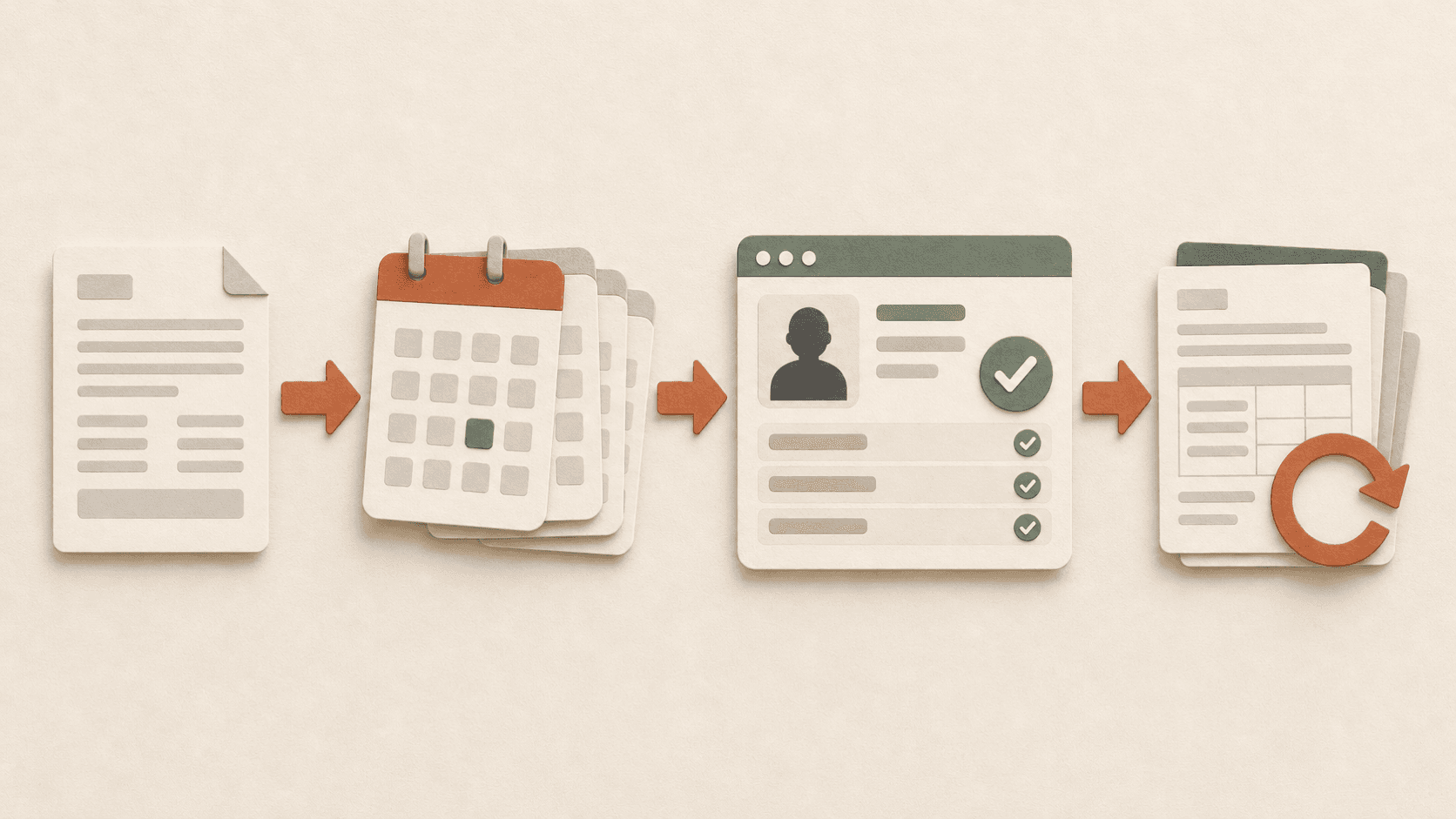
Medicaid Retroactive Coverage: How It Works Now and What Changes in 2027
Medicaid can pay for care up to three months before the application month. For applications from January 1, 2027, that drops to one or two months. Here is the rule, the change, and how to rebill after approval.
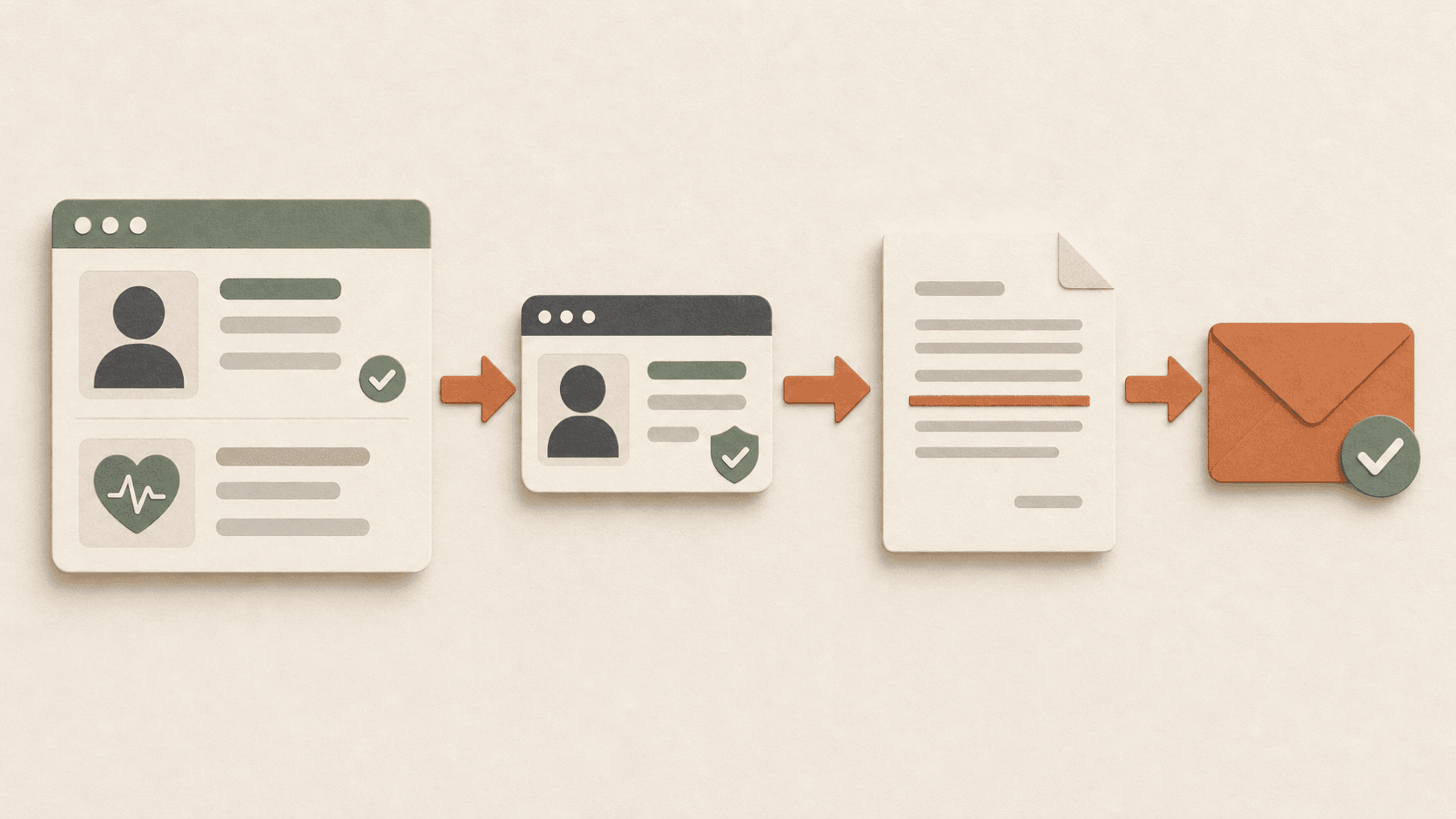
Qualified Medicare Beneficiary (QMB) Billing: What You Can't Collect and How to Spot QMB Status
Federal law bars every Medicare provider from billing a Qualified Medicare Beneficiary for Part A and B cost sharing. Here's how to spot QMB status on a 271, the remittance and a state Medicaid check, and what you can still bill.
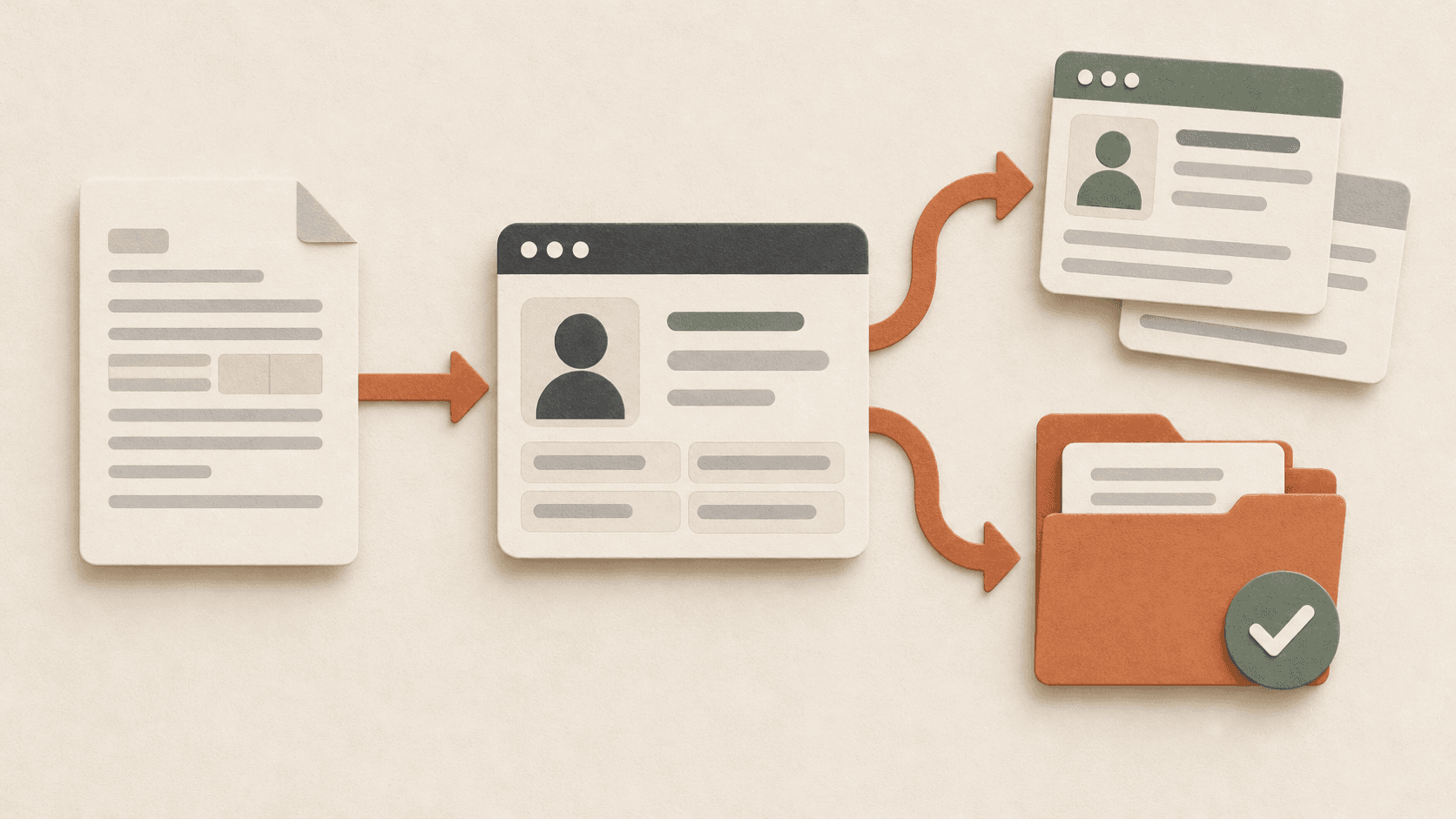
Dual Eligible Billing: Which Plan Is Primary, Crossover Claims and D-SNP Types
Medicare pays first for dual eligible patients, and Medicaid pays after. Here's how full and partial duals differ, how crossover claims reach Medicaid, and what each type of dual eligible special needs plan changes for billing.